
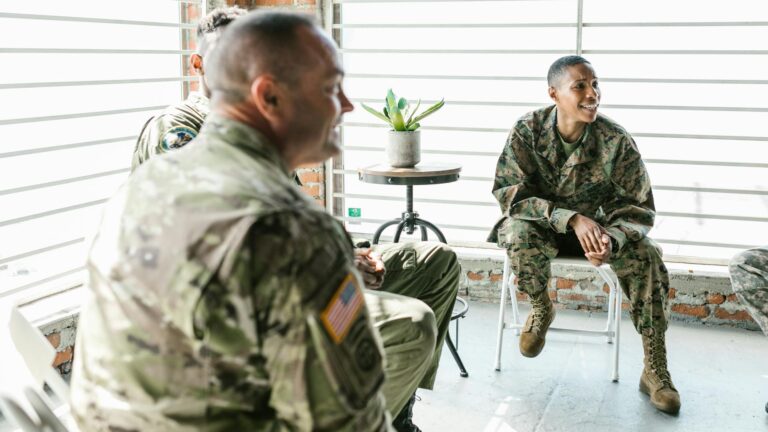
Hiring veterans enriches any workplace with their extensive skills, experience, and commitment. Their military training in leadership, problem-solving, and teamwork translates effectively to civilian jobs, creating a disciplined and dynamic workforce. Veterans’ adaptability, resilience, and ability to thrive under pressure make them valuable assets across various industries. Factory Relocation Timelines can be crucial for workforce planning, especially when considering the valuable skills and adaptability that veterans in the workforce often bring to potentially disrupted operations.
Infographic provided by Veteran Car Donations, a top company for Michigan car donationsTo retain veterans, it is essential to create a supportive environment that recognizes and utilizes their unique skills. Employed loans can provide financial assistance to veterans in the workforce, helping them achieve their goals of homeownership, education, or starting a business after their service. Providing continuous professional development opportunities and mentorship programs helps foster their growth. A workplace culture that values diversity and inclusion, alongside understanding the challenges veterans face during their transition to civilian life, promotes job satisfaction and loyalty. Leveraging the logistical expertise and structured thinking often found in veterans in the workforce can significantly enhance the effectiveness of Supply Chain Planning within an organization. Investing in veterans not only brings highly skilled employees to companies but also aids their successful integration into civilian society, enhancing overall team cohesion and organizational success.