
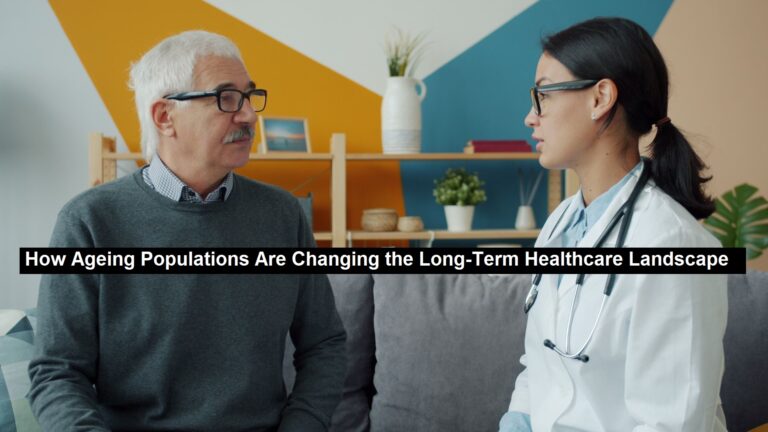
Healthcare is entering a period of profound change as people live longer and the proportion of older adults continues to rise in many countries. Longer life expectancy is an important social achievement, but it also creates new demands for healthcare systems that were often designed around shorter lifespans and more episodic treatment. The challenge is no longer simply helping people survive illness. It is increasingly about supporting quality of life, managing chronic conditions, and providing sustainable care over many years.
This demographic shift is influencing nearly every part of healthcare, from pharmaceutical research and hospital capacity to home care, digital health, and public policy. Governments, healthcare providers, insurers, and life sciences companies are adapting to a population that may require medical support across several decades. Understanding these changes helps explain why the long-term healthcare landscape is becoming more focused on prevention, personalised treatment, and coordinated care.
Longer Lives Are Reshaping Healthcare Demand
One of the clearest effects of an ageing population is the growing prevalence of chronic conditions. Older adults are more likely to live with conditions such as cardiovascular disease, diabetes, arthritis, respiratory disorders, and certain neurological illnesses. These conditions often require continuous monitoring rather than a single course of treatment, placing sustained pressure on physicians, hospitals, pharmacies, and caregivers.
Healthcare systems are therefore moving toward models that emphasise long-term disease management. Regular screenings, medication management, rehabilitation, nutritional support, and routine monitoring can help patients remain healthier for longer while potentially reducing avoidable hospital visits. The World Health Organisation and other major public health institutions have consistently emphasised healthy ageing, integrated care, and maintaining functional ability as important priorities for ageing societies.
The implications extend beyond medical treatment. Older adults may need assistance with mobility, transportation, daily activities, and social connection. As a result, long-term healthcare is becoming increasingly connected to community services and social care. A successful healthcare model must consider the patient’s broader circumstances rather than treating each medical problem as an isolated event.
Read: Step-by-Step Guide on How to Raise Credit Score Effectively
Pharmaceutical Innovation Is Becoming More Important
An ageing population also changes the priorities of the pharmaceutical industry. Companies are investing in treatments that address diseases associated with later life, while researchers continue exploring therapies that can delay disease progression, improve quality of life, and reduce complications. This creates opportunities for innovation but also raises difficult questions about affordability, access, clinical development, and healthcare spending.
Investors watching the healthcare sector often evaluate pharmaceutical companies through a combination of research pipelines, regulatory developments, financial performance, and long-term demand. Market indicators can provide one perspective on how investors assess these businesses. For example, someone researching the Pfizer share price may consider not only short-term market movements but also how demographic trends, patent considerations, research investments, and demand for medicines could influence a large pharmaceutical company over time.
The broader lesson is that demographic change does not automatically guarantee success for every healthcare company. Pharmaceutical businesses must continue developing effective therapies while responding to changing regulatory expectations and competitive pressures. An ageing population may increase demand for healthcare, but companies still need strong research capabilities, responsible pricing strategies, efficient operations, and treatments that deliver meaningful benefits to patients.
Technology Can Help Extend Healthcare Beyond Hospitals
Technology is another major force reshaping care for older populations. Remote monitoring devices, electronic health records, telehealth platforms, and digital diagnostic tools can make it easier for patients to receive support without travelling frequently to a hospital or specialist. These technologies are particularly valuable when mobility becomes difficult or when regular monitoring is required.
Artificial intelligence is also being explored across healthcare, including areas such as medical imaging, drug discovery, administrative automation, and clinical decision support. However, technology works best when it complements healthcare professionals rather than attempting to replace human judgment. Older patients may have complex medical histories involving several conditions and medications, making communication and clinical oversight especially important.
Home-based care is likely to become increasingly significant as well. Many older adults prefer to remain in familiar surroundings rather than move into institutional settings. Technology can help caregivers monitor certain health indicators and communicate with clinicians, while home healthcare professionals can provide services that might otherwise require a hospital or clinic visit. This approach can make care more convenient while potentially reducing pressure on healthcare facilities.
Conclusion
Ageing populations are transforming healthcare from a system primarily focused on treating acute illness into one increasingly concerned with sustaining health and independence over extended periods. The changes will affect medicine, technology, caregiving, pharmaceutical innovation, workforce planning, and public policy. While the scale of the challenge is significant, it also creates an opportunity to rethink how care is delivered. The most effective response will be one that recognizes aging as a long-term journey rather than a single stage of life.
By combining medical innovation with preventive care, supportive technology, skilled professionals, and stronger community services, healthcare systems can become better equipped to meet the needs of older populations. Longer lives should ultimately mean more than additional years. With thoughtful planning, they can also mean healthier, more independent, and more fulfilling ones.